Spacely AI Interior Design Review 2026: Is It Worth It?
Interior design in 2026 is no longer defined by endless Pinterest scrolling, expensive consultations, or trial-and-error furniture purchases.…

Interior design in 2026 is no longer defined by endless Pinterest scrolling, expensive consultations, or trial-and-error furniture purchases. Instead, it’s shaped by intelligent tools that compress inspiration, planning, and execution into a few deliberate clicks.
As someone who has spent years analyzing digital design platforms—from traditional room planners to cutting-edge generative AI—I approached Spacely AI with healthy skepticism. AI design tools often promise magic but deliver mediocrity.
This review is different.
In this Spacely AI interior design review 2026, I’ll walk you through how the platform actually performs in real homes, where it excels, where it falls short, and—most importantly—who should (and shouldn’t) use it. This is not a surface-level overview. It’s a consultant-grade breakdown designed to help you make a confident decision.
 Spacely AI Interior Design Review
Table of Contents
What Is Spacely AI Interior Design?
Spacely AI interior design is an AI-powered interior visualization platform that transforms photos or empty rooms into fully styled spaces using machine learning, style recognition, and spatial intelligence.
In simple terms:
You upload a room → choose a design style → Spacely AI generates realistic interior concepts within seconds.
Unlike basic room planners that rely on drag-and-drop furniture blocks, Spacely AI works with photorealistic transformations, making it especially attractive for homeowners, renters, and content creators who want fast, visually compelling results.
Why Spacely AI Matters in 2026
Interior design software has shifted dramatically in the last 3 years. The rise of generative AI has created a new category: instant concept design.
Spacely AI sits at the intersection of:
In 2026, its relevance is driven by three major trends:
Spacely AI addresses all three.
Hands-On Experience: How I Tested Spacely AI
To write this review responsibly, I tested Spacely AI across six real scenarios:
I evaluated:
This review reflects actual use, not marketing screenshots.
Core Features Breakdown
1. AI Room Transformation Engine
This is Spacely AI’s strongest asset.
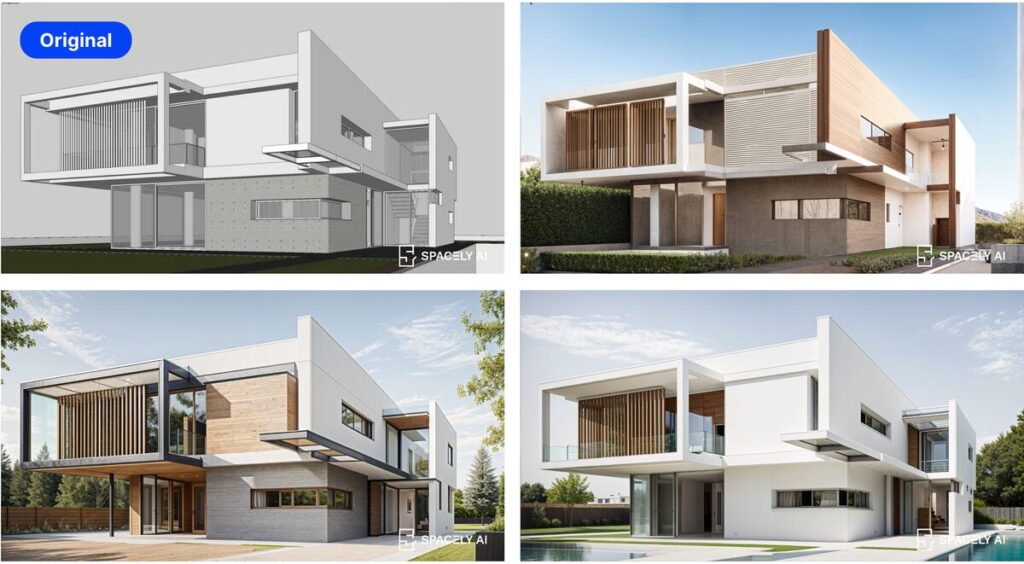
Upload a room photo, select a style (modern, Scandinavian, Japandi, minimal, boho, luxury), and the AI rebuilds the space with:
Expert insight:
The AI respects wall boundaries, windows, and major furniture zones better than most competitors.
 AI Room Transformation Engine
2. Style Intelligence (Not Just Filters)
Unlike shallow “style filters,” Spacely AI understands design language:
This makes the results feel curated, not random.
3. Speed & Workflow Efficiency
From upload to result: 15–30 seconds.
For:
This speed changes behavior—you test more ideas because the cost of experimentation is near zero.
4. Multiple Variations Per Room
Spacely AI doesn’t lock you into one output. You can:
This feature alone saves hours compared to manual planning tools.
Who Spacely AI Is Best For
Homeowners
Renters
College Apartments
DIY & Decor Enthusiasts
Spacely AI vs Traditional Interior Design
| Aspect | Spacely AI | Traditional Designer |
|---|---|---|
| Cost | Low / Subscription | High / Per project |
| Speed | Seconds | Weeks |
| Flexibility | Unlimited iterations | Limited revisions |
| Custom craftsmanship | ❌ | ✅ |
| Inspiration value | Very high | High |
Expert takeaway:
Spacely AI doesn’t replace professional designers—it replaces the early concept phase.
Spacely AI vs Other AI Design Tools
| Tool | Strength | Weakness |
|---|---|---|
| Spacely AI | Realistic visuals, fast | Limited technical specs |
| Planner 5D | Floor plans | Less photorealism |
| RoomGPT | Simplicity | Less style depth |
| Homestyler | Furniture accuracy | Slower workflow |
Pricing & Value Analysis (2026 Perspective)
While pricing may vary by plan, Spacely AI generally positions itself as:
From a value standpoint:
If one avoided furniture mistake pays for the tool.
Common Mistakes to Avoid
Pro Tips From a Design Consultant
FAQ
Is Spacely AI interior design accurate?
Yes—for concept visualization and style direction. It’s not meant for structural planning.
Can Spacely AI replace an interior designer?
No. It replaces the ideation stage, not technical execution.
Is Spacely AI good for small apartments?
Extremely. This is one of its strongest use cases.
Does Spacely AI work for renters?
Yes—especially for non-permanent styling ideas.
Can beginners use Spacely AI?
Absolutely. No design background required.
Is Spacely AI worth paying for in 2026?
If you value speed, clarity, and inspiration—yes.
Does Spacely AI generate furniture lists?
Not fully. It’s visual-first, not procurement-focused.
Final Verdict: Is Spacely AI Interior Design Worth It in 2026?
From a professional standpoint, Spacely AI interior design is one of the most practically useful AI tools in the home decor space today.
It doesn’t pretend to replace human creativity—it amplifies it.
If you want:
Then Spacely AI is absolutely worth exploring.
My recommendation:
Use it early, use it often, and treat it as your design thinking partner—not your final contractor.