Top 15 Kitchen Trends of 2026
After working hands-on with residential kitchens across renovations, rental upgrades, and compact apartment redesigns, I can confidently say…

After working hands-on with residential kitchens across renovations, rental upgrades, and compact apartment redesigns, I can confidently say this: 2026 is not about decoration—it’s about intelligent living.
The kitchen has evolved into a hybrid command center—part cooking studio, part social hub, part wellness space. Homeowners want longevity. Renters want flexibility. DIY lovers want modular upgrades. And families want kitchens that work harder without looking clinical.
This expert-led guide breaks down the top kitchen trends of 2026, not as fleeting aesthetics, but as functional design systems backed by real-world usage, industry data, and professional insight.
You’ll find:
Table of Contents
What Defines Kitchen Trends of 2026
Before diving into individual trends, let’s establish the design principles driving kitchens in 2026:
These fundamentals shape every trend below.
1. Warm Minimalism Replaces Stark Modern Kitchens
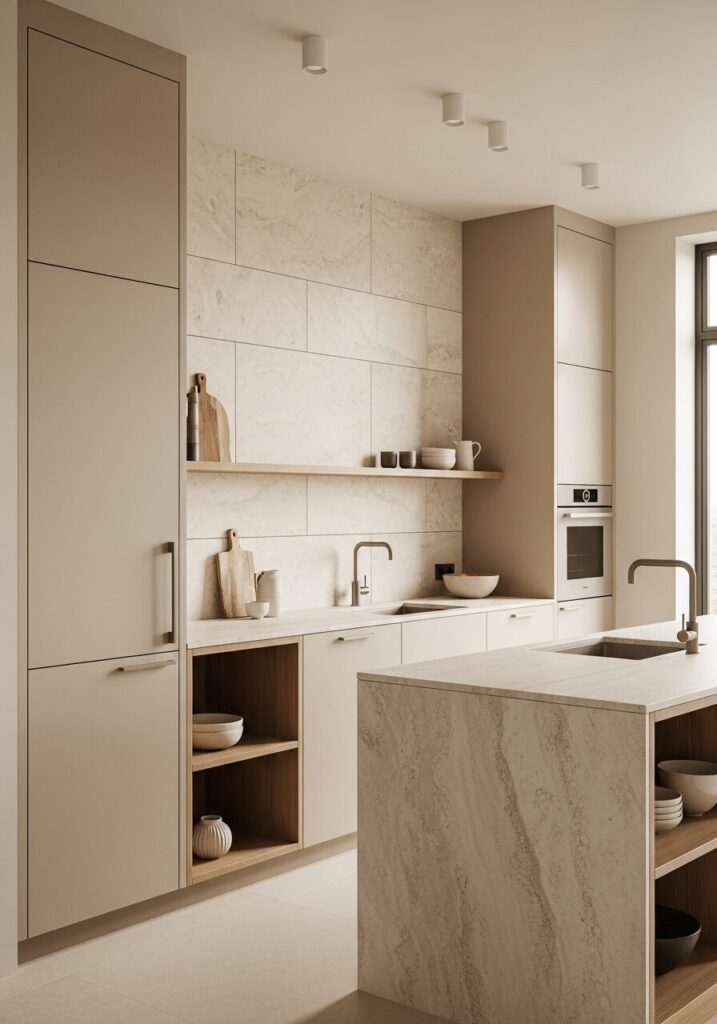 Warm Minimalism Replaces Stark Modern Kitchens
Minimalism isn’t dead—it’s softened.
In 2026, kitchens move away from cold white slabs toward warm minimalism: creamy neutrals, soft woods, tactile stone, and rounded edges. I’ve implemented this style repeatedly in both luxury homes and small apartments because it’s emotionally inviting without clutter.
Why it works:
2. Concealed Kitchens & Appliance Integration
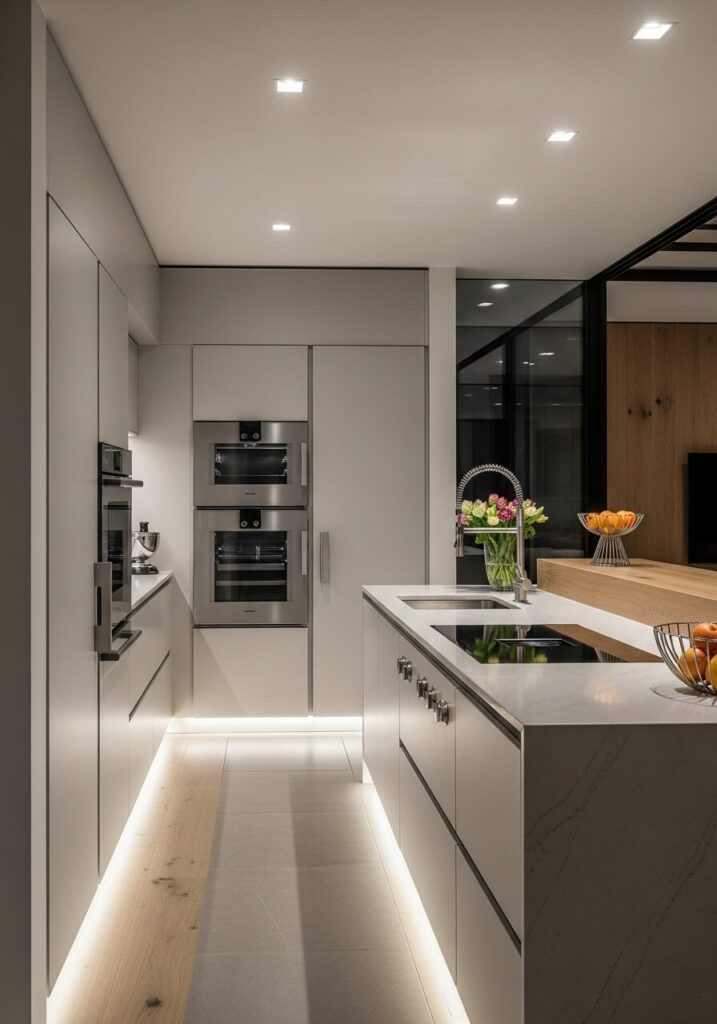 Concealed Kitchens & Appliance Integration
One of the strongest kitchen trends 2026 is the “disappearing kitchen.”
Appliances hide behind paneling. Pantries look like walls. Even range hoods vanish into architectural forms. I recommend this especially for open-plan homes, where the kitchen shares space with living and dining areas.
Professional Insight:
Clients report reduced mental clutter when visual noise is minimized—this is psychology, not just aesthetics.
3. Natural Stone Backsplashes That Climb the Wall
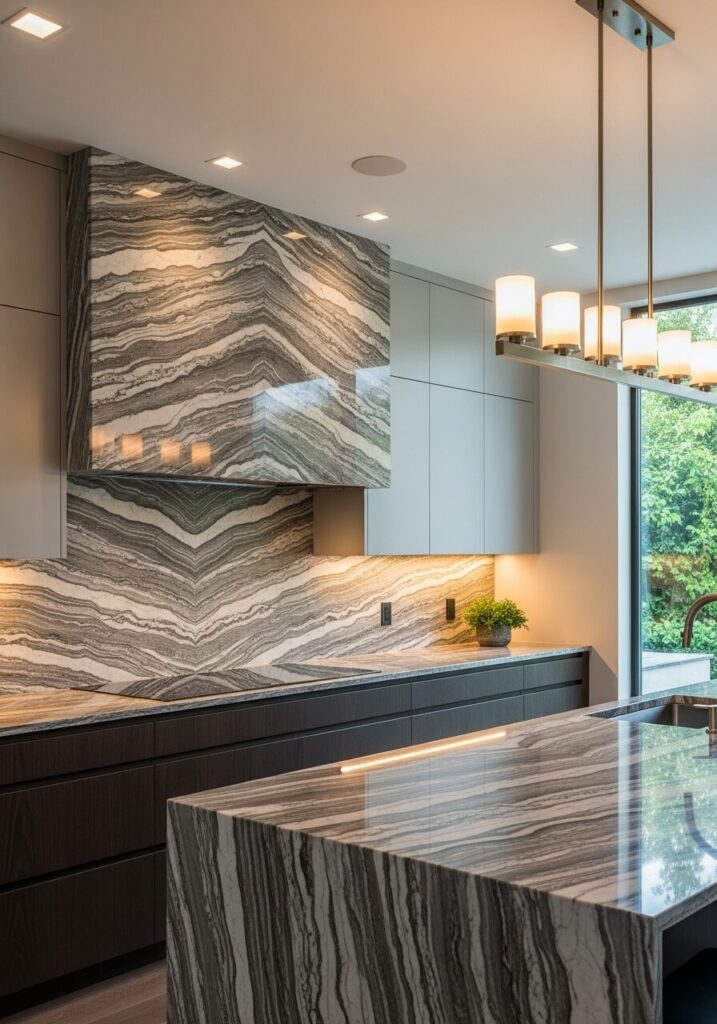 Natural Stone Backsplashes That Climb the Wall
In 2026, backsplashes don’t stop at cabinets—they become feature walls.
Marble, quartzite, and porcelain slabs now extend vertically, eliminating grout lines and adding architectural drama.
Best materials I recommend:
4. Earth-Toned Color Palettes Take Over
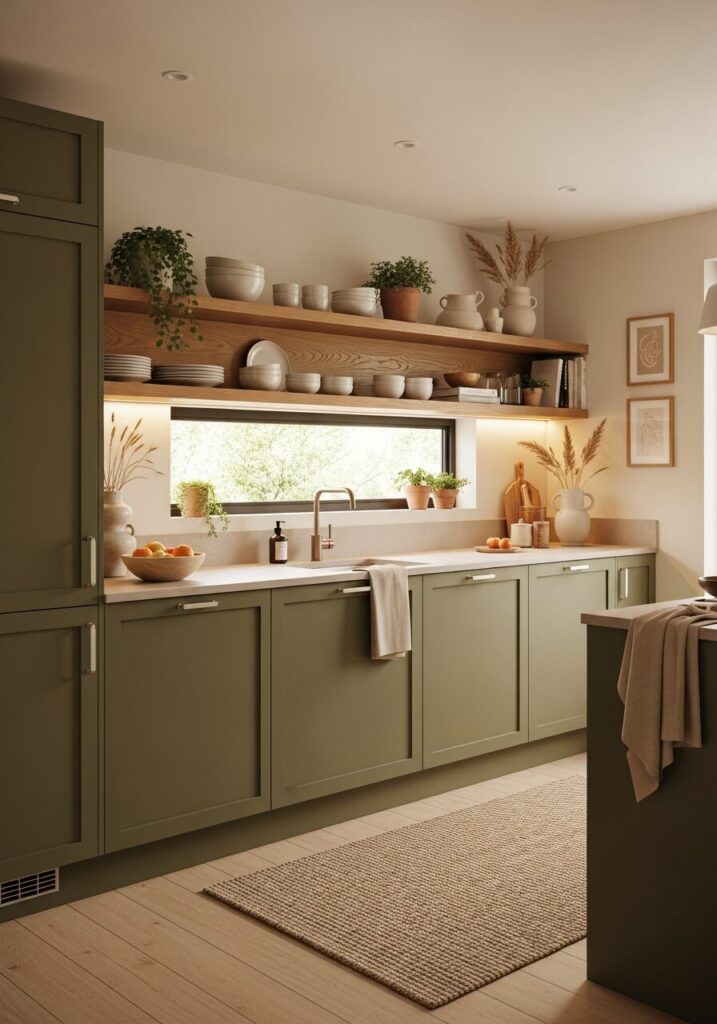 Earth-Toned Color Palettes Take Over
Forget gray-on-gray. Earth tones dominate kitchen trends 2026.
Think:
These tones ground the space and pair beautifully with wood and stone.
Case Insight:
In rental upgrades, swapping white cabinets for mushroom or sage instantly increases perceived value.
5. Smart Kitchens Without Screens
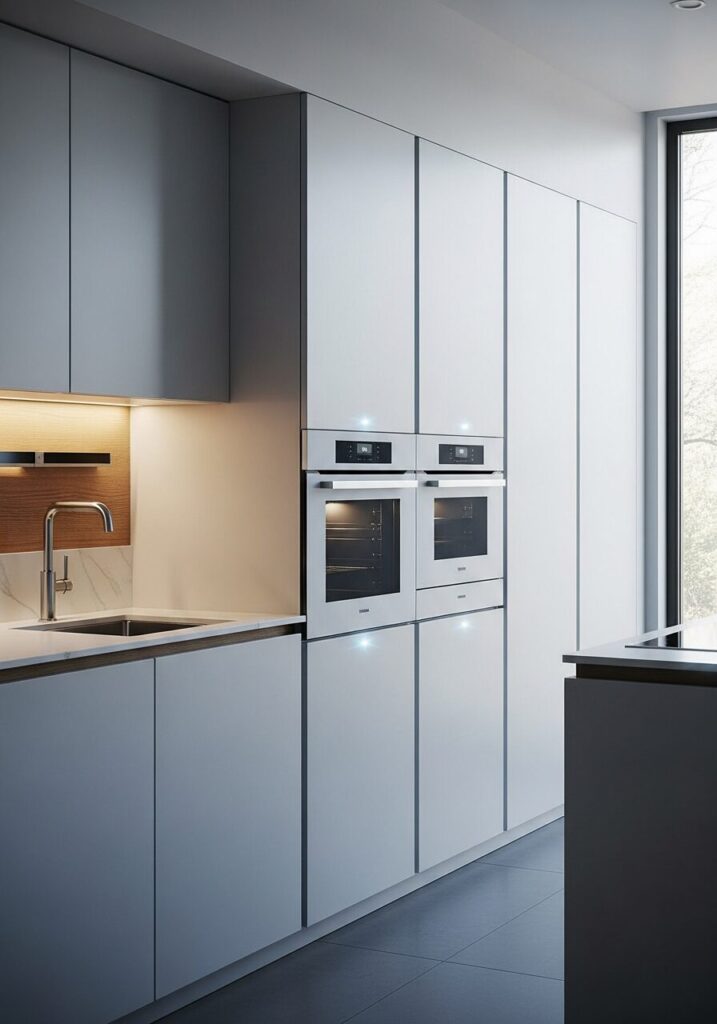 Smart Kitchens Without Screens
Technology is still advancing—but invisibly.
Instead of flashy displays, kitchens now use:
Brands showcased at CES highlight how tech is receding into the background.
Why this matters:
Visible tech dates fast. Invisible tech stays relevant.
6. Multifunctional Kitchen Islands
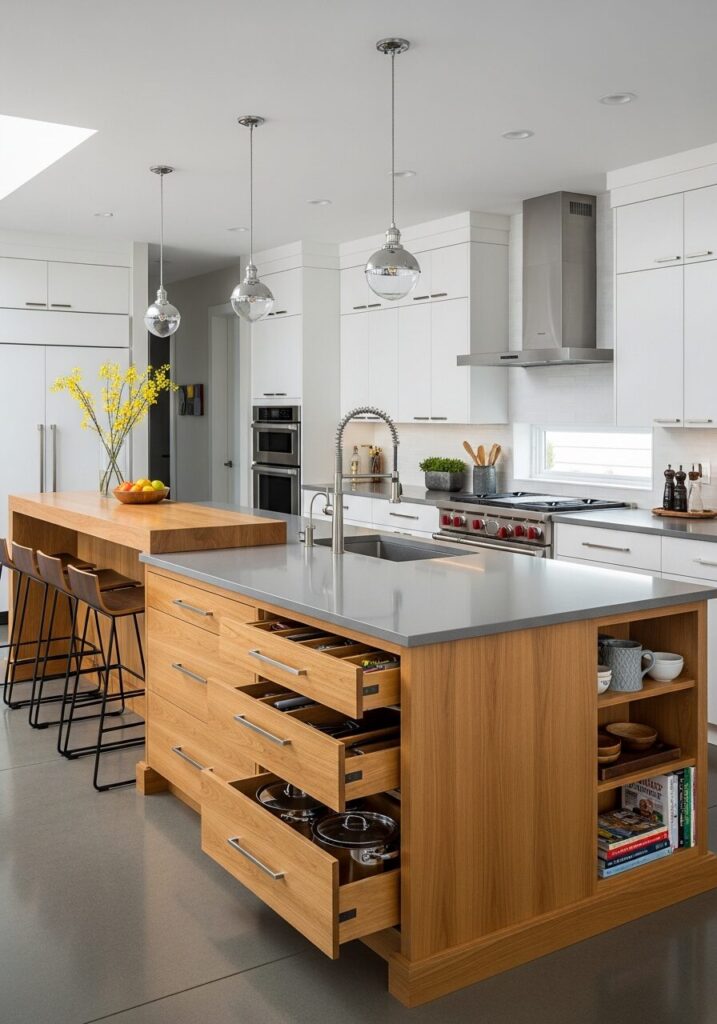 Multifunctional Kitchen Islands
In 2026, islands are no longer optional—they’re multifunctional workstations.
I design islands to serve:
Design Formula I Use:
Island Width ≥ 90cm + Dual Height Zones = Maximum Utility
7. Sustainable Materials That Feel Luxurious
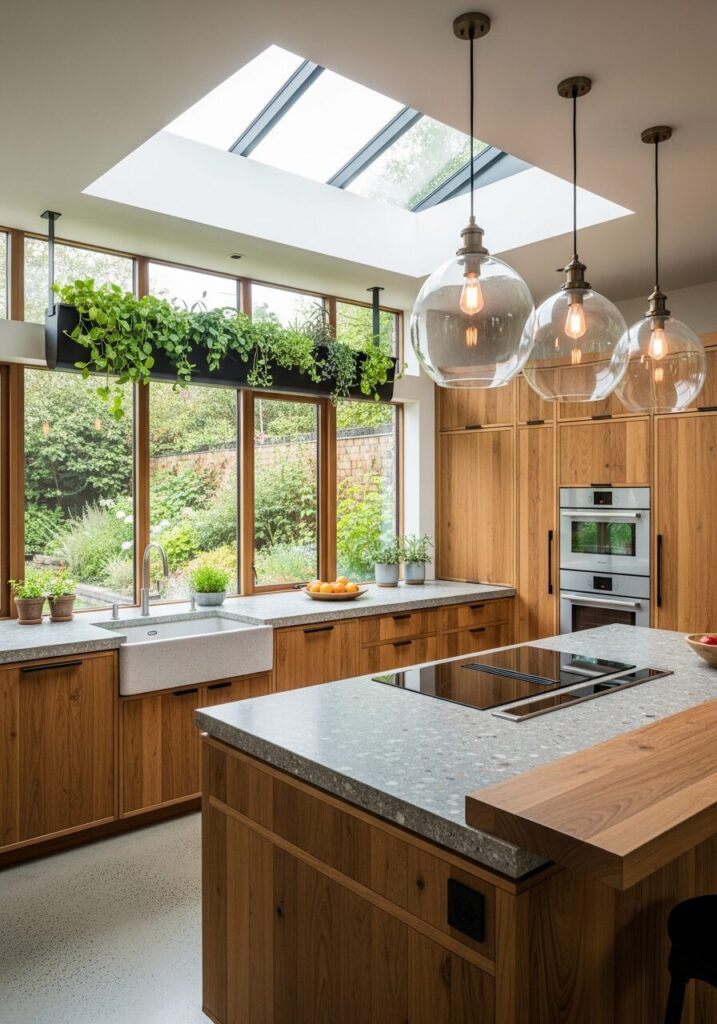 Sustainable Materials That Feel Luxurious
Sustainability has finally matured.
Clients no longer accept “eco” if it looks cheap. In 2026, sustainable kitchens use:
Retail leaders like IKEA have normalized this shift at scale.
8. Open Shelving—Used Strategically
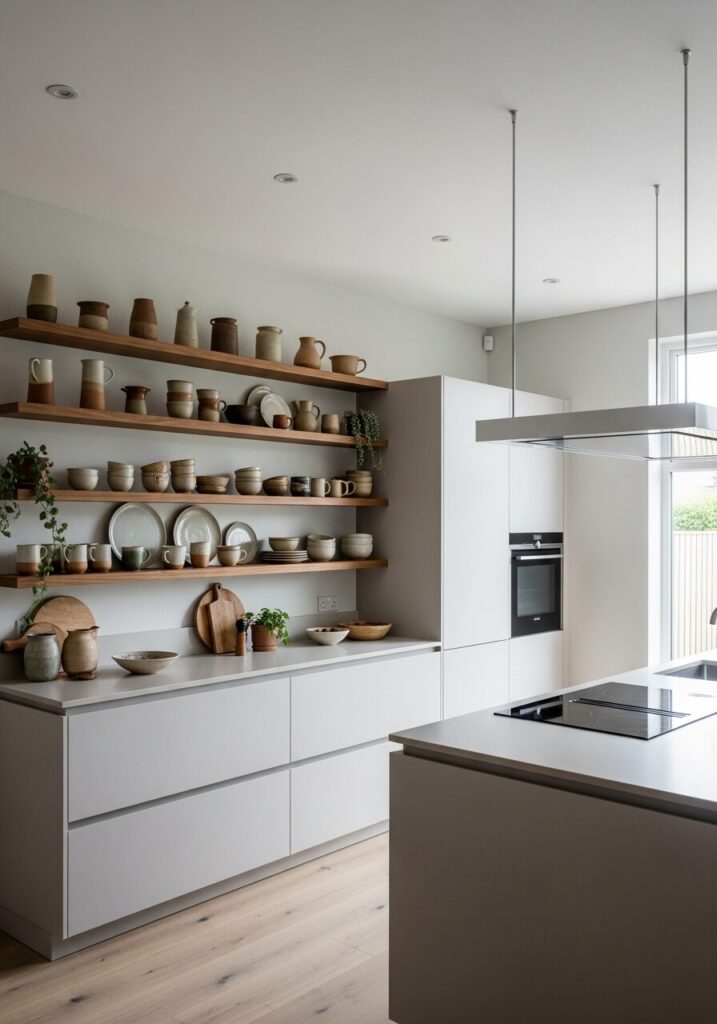 Open Shelving—Used Strategically
Open shelving isn’t gone—it’s curated.
I advise limiting open shelves to 15–20% of upper storage. Anything more becomes visual chaos.
Best Use Cases:
9. Statement Lighting as Functional Art
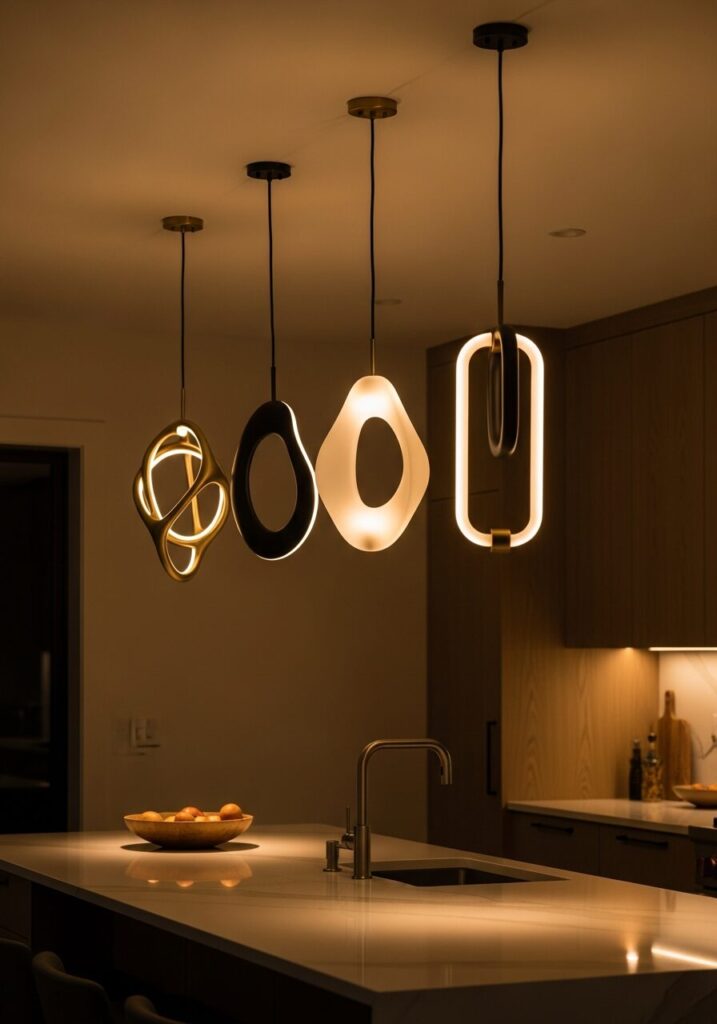 Statement Lighting as Functional Art
Lighting in 2026 is sculptural but purposeful.
Expect:
Design inspiration platforms like Pinterest consistently show lighting as a top engagement driver.
10. Handleless Cabinets with Soft Geometry
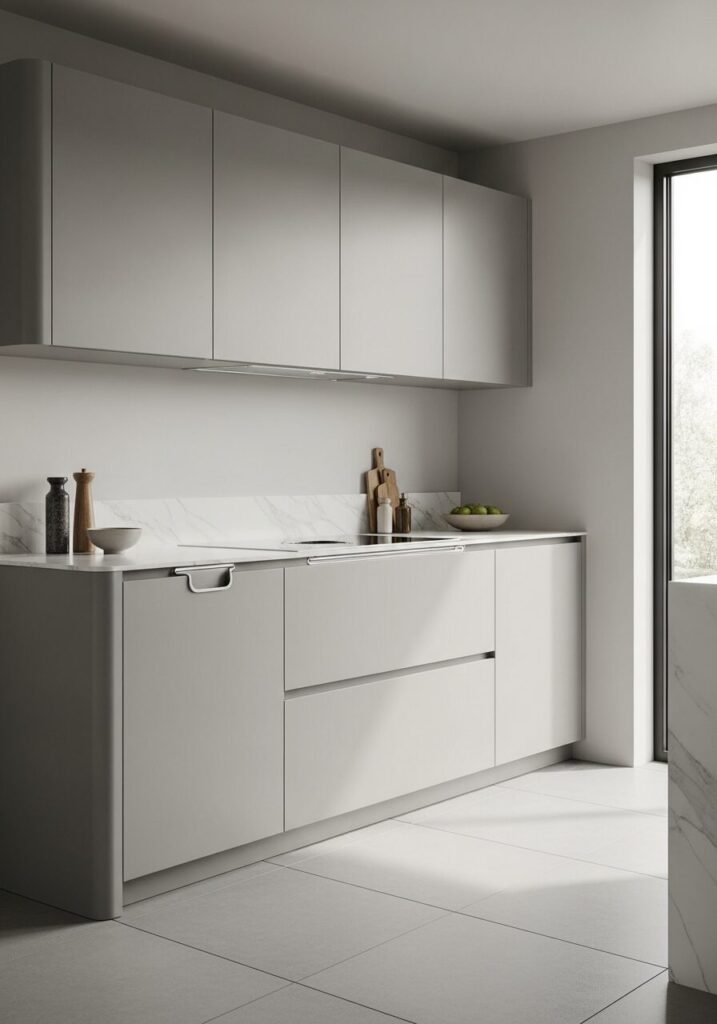 Handleless Cabinets with Soft Geometry
Sharp lines soften in 2026.
Handleless cabinetry now incorporates:
This improves ergonomics while maintaining minimal aesthetics.
11. Zoned Kitchen Layouts
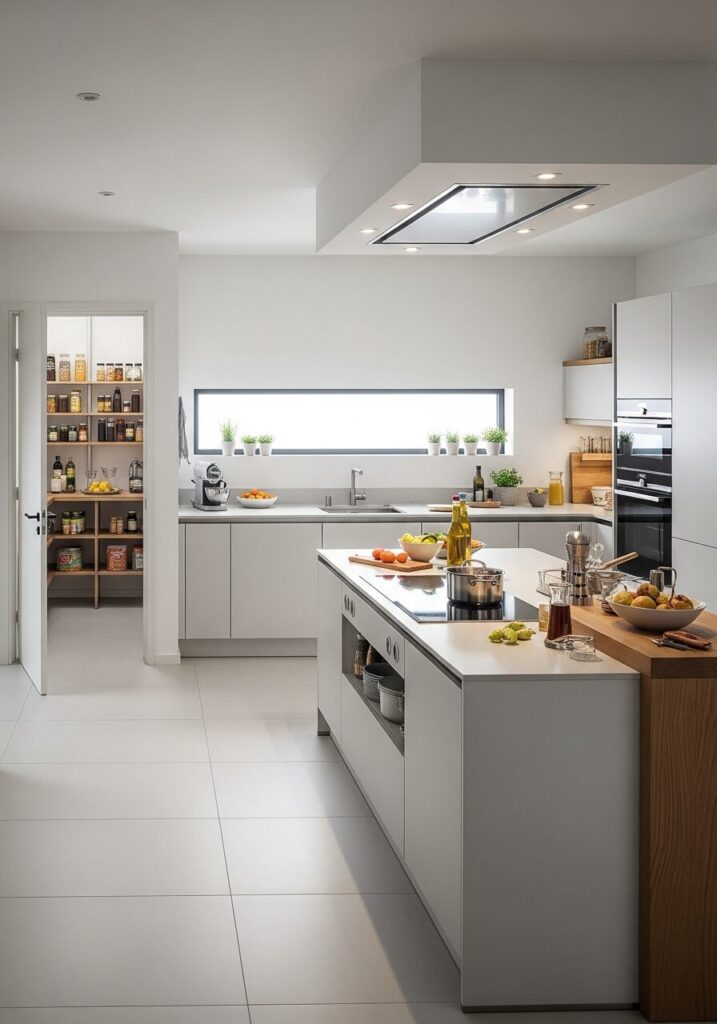 Zoned Kitchen Layouts
Instead of the old “work triangle,” kitchens now use activity zones:
This approach dramatically improves efficiency in real households.
12. Texture-on-Texture Design
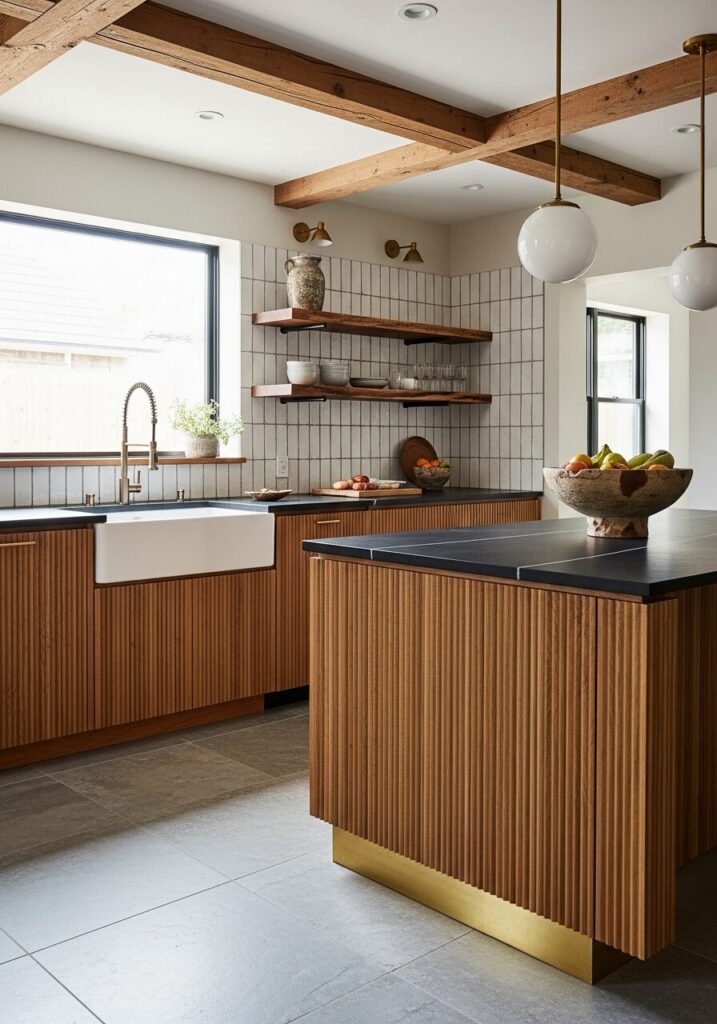 Texture-on-Texture Design
Flat kitchens feel lifeless. 2026 kitchens layer textures:
This adds depth without clutter.
13. Compact Luxury for Small Kitchens
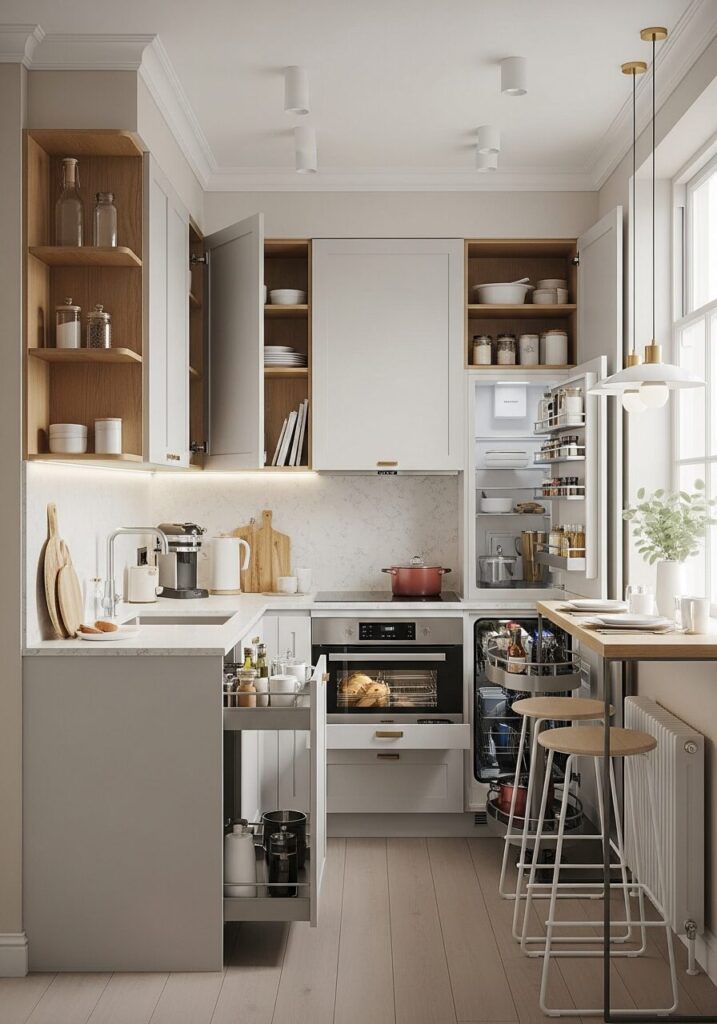 Compact Luxury for Small Kitchens
Small kitchens benefit most from 2026 trends:
I’ve applied these in college apartments with remarkable results.
14. Personalized Storage Systems
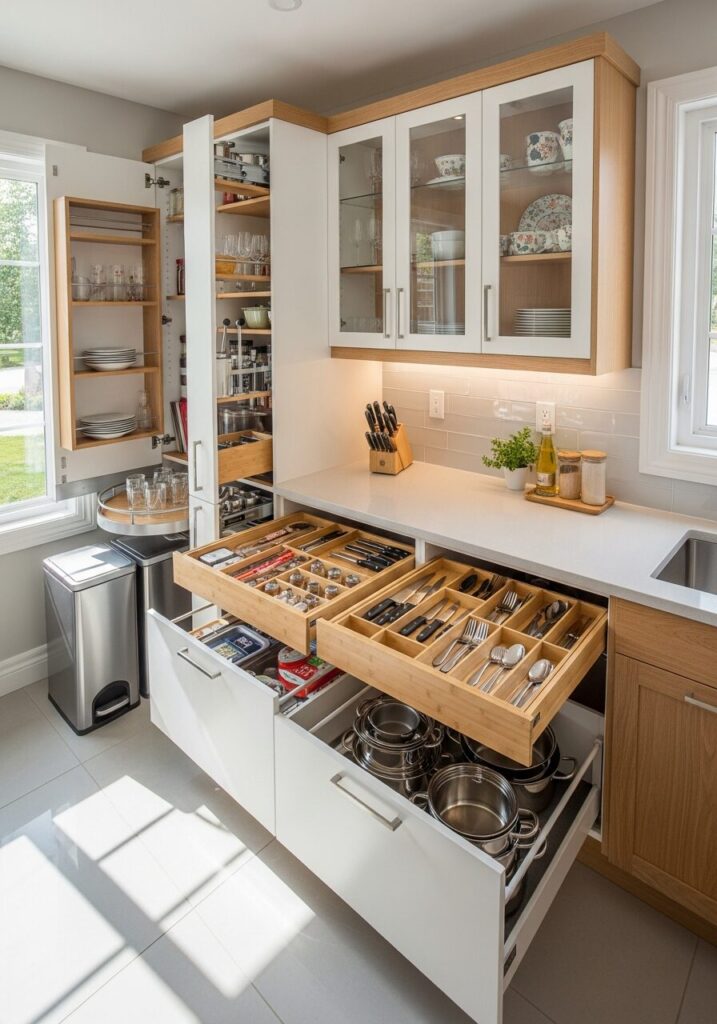 Personalized Storage Systems
Mass customization is booming.
Interior organizers now adapt to:
This is where kitchens become deeply personal.
15. Kitchens Designed for Longevity
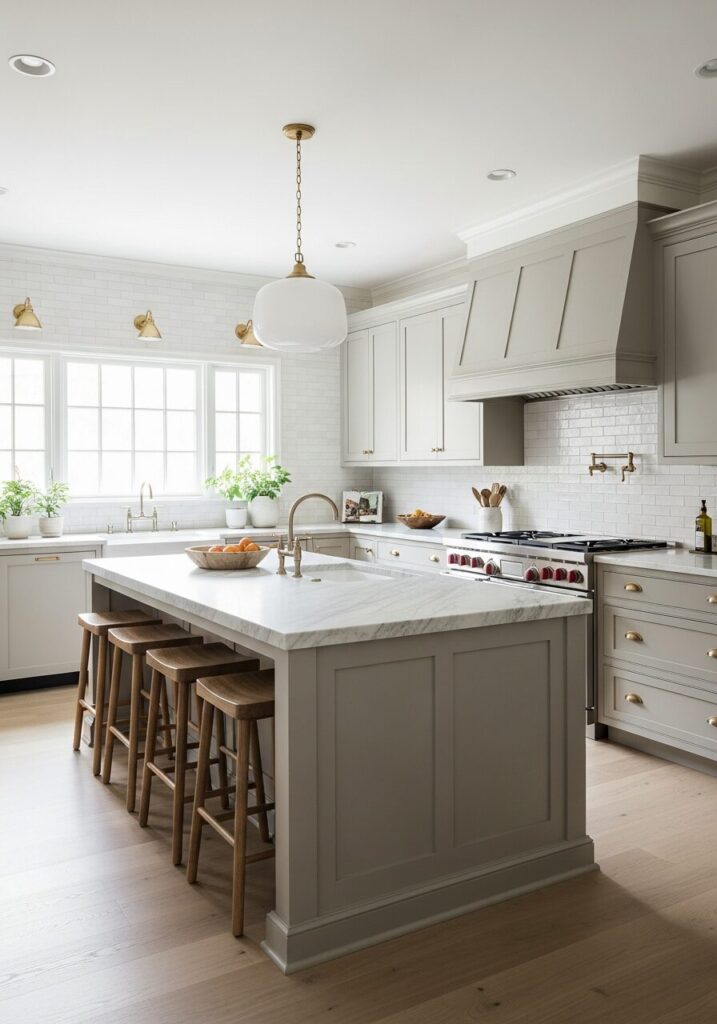 Kitchens Designed for Longevity
The ultimate trend of 2026? Timelessness.
Clients want kitchens that:
2025 vs 2026 Kitchens
| Feature | 2025 Kitchens | 2026 Kitchens |
|---|---|---|
| Color | Cool gray & white | Warm earth tones |
| Tech | Visible screens | Embedded systems |
| Storage | Standard cabinets | Personalized zones |
| Materials | Trend-driven | Longevity-focused |
Common Mistakes to Avoid
Pro Tips from the Field
Conclusion: Designing a Kitchen That Lasts Beyond 2026
Kitchen trends 2026 are not about chasing novelty—they’re about design intelligence.
The most successful kitchens I’ve worked on prioritize:
If you apply even three of these trends thoughtfully, your kitchen won’t just look current—it will feel right for years to come.
Next step: Audit your current kitchen. Identify one upgrade that improves how you live, not just how it looks.
That’s the real future of kitchen design.