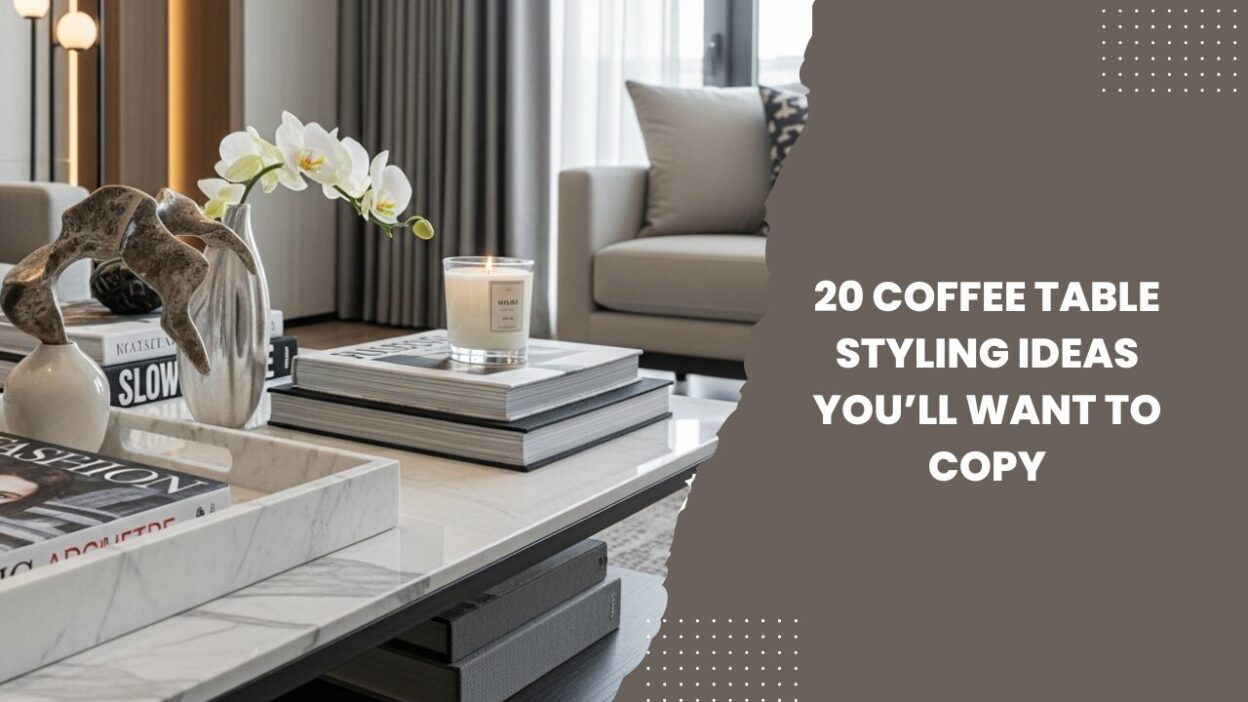
I’ve styled hundreds of living rooms over the past decade—from compact college apartments to high-end family homes—and if there’s one surface that quietly defines the entire space, it’s the coffee table.
Your coffee table is not just furniture. It’s a visual anchor, a lifestyle signal, and often the first place the eye lands when someone walks into the room. When styled intentionally, it can elevate even the most basic sofa setup. When neglected, it can make an otherwise beautiful space feel unfinished.
I’m sharing 20 coffee table styling ideas you’ll genuinely want to copy—because they’re grounded in real-world use, professional design logic, and proven visual frameworks, not fleeting trends.
This isn’t about clutter or perfection. It’s about balance, proportion, and personality—done in a way that works for real homes, real families, and real budgets.
Coffee Table Styling Ideas Fundamentals
Before we dive into specific ideas, let’s establish the core framework I use in every project.
The 3-Object Styling Formula (Industry Standard)
At its simplest, coffee table styling works best in groups of three:
- Something tall (height & structure)
- Something organic (softness & life)
- Something personal (story & warmth)
This formula prevents flat, lifeless tables and creates instant visual hierarchy.
Key Design Principles I Follow
- Odd numbers look intentional
- Height variation creates depth
- Negative space is as important as objects
- Function always beats aesthetics
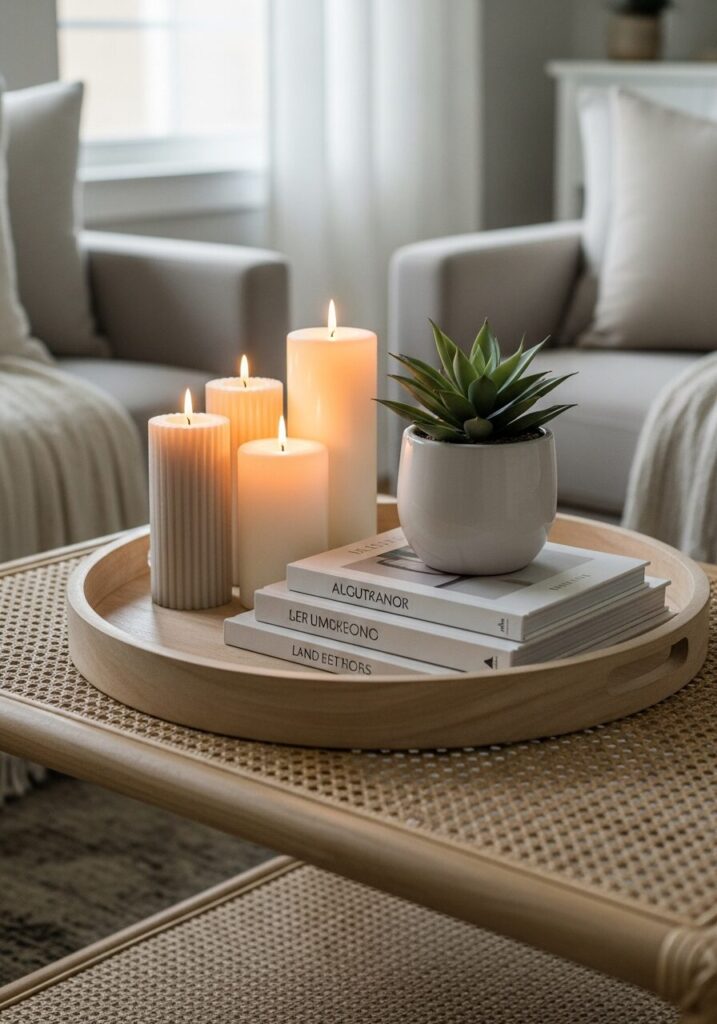
1. The Classic Tray Foundation (My Go-To Starting Point)
A decorative tray instantly organizes your coffee table and prevents visual chaos.
Why it works
- Creates a defined “zone”
- Makes styling easy to rearrange
- Keeps items functional, not messy
What I recommend
- Wood trays for warmth
- Marble or acrylic trays for modern spaces
- Round trays for square tables (and vice versa)
2. Stacked Coffee Table Books (The Designer Shortcut)
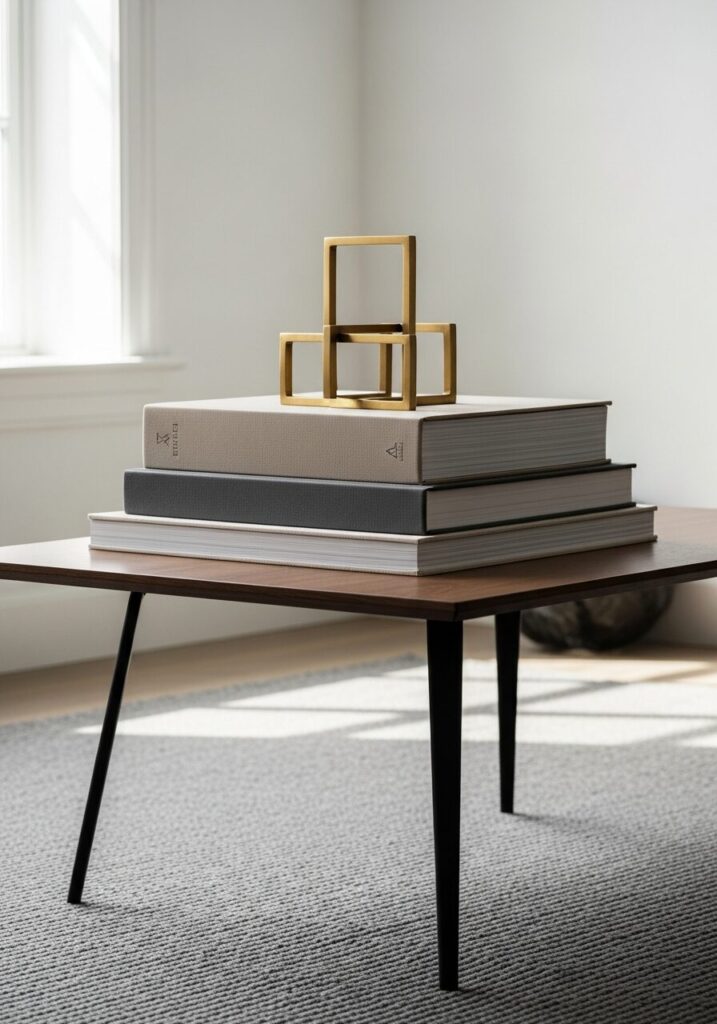
Books add height, color, and intellectual texture.
Pro Styling Formula
- Bottom: largest book
- Middle: medium book
- Top: smallest or most decorative cover
Add a small object on top (beads, coral, candle) to finish the stack.
Expert Insight: I often choose books that subtly reflect the homeowner’s interests—travel, art, architecture—this boosts authenticity.
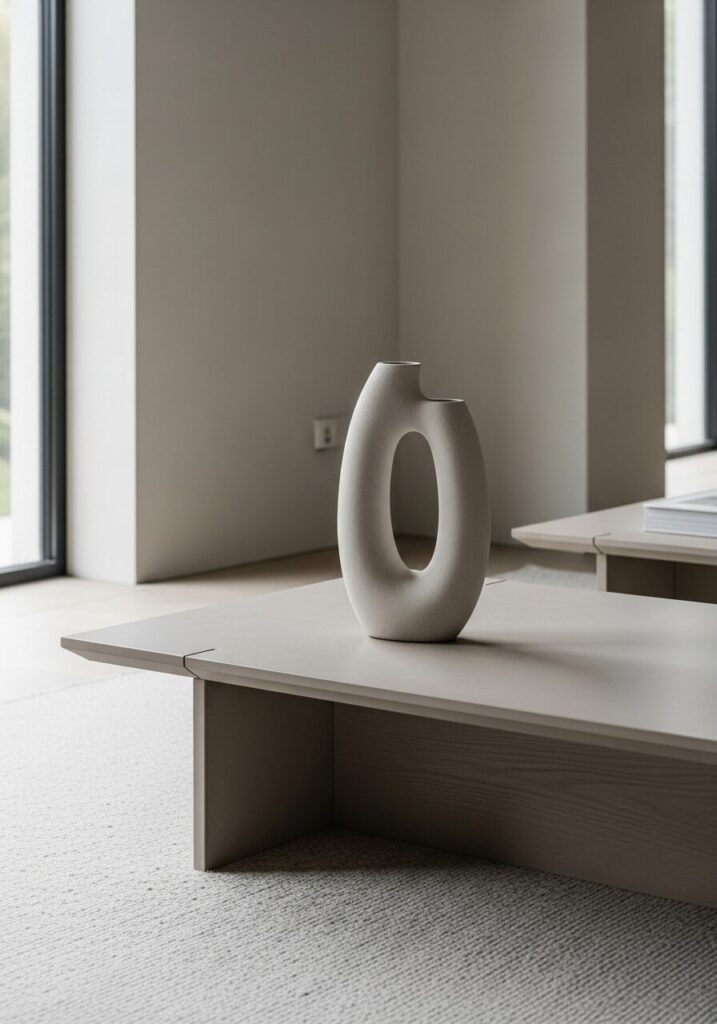
3. The Single Statement Vase Rule
Sometimes, one bold object is stronger than five small ones.
Best Use Cases
- Small living rooms
- Glass or acrylic tables
- Minimalist interiors
Choose a sculptural vase and let it breathe.
4. Greenery That Doesn’t Feel Fake
Plants soften hard lines and add life—but only if scaled correctly.
Best Coffee Table Plants
- Snake plant (compact varieties)
- Faux olive branches (high quality)
- Moss bowls
- Small eucalyptus arrangements
Mistake to avoid: Tall plants that block sightlines.
5. Candles as Visual Anchors
Candles create mood even when unlit.
Pro Tip
Use different heights but the same color palette.
- Pillar candle
- Lidded candle
- Tea light in glass
6. Sculptural Objects That Start Conversations
Abstract objects add personality without clutter.
What Works Best
- Stone or marble pieces
- Wooden chain links
- Ceramic knots
I often use these to introduce subtle contrast.
7. The “Personal Story” Layer
This is where most Pinterest rooms fail—they forget the human element.
Examples
- A small framed photo
- A souvenir tray
- A meaningful object with a story
Rule: One personal item per table is enough.
8. Seasonal Styling (Without Buying New Decor)
I rotate only one element per season.
| Season | Swap This | Result |
|---|---|---|
| Spring | Florals | Fresh & airy |
| Summer | Coastal object | Light & relaxed |
| Fall | Textured bowl | Warm & grounded |
| Winter | Metallic candle | Cozy & festive |
9. Round Table Styling (Special Rules Apply)
Round tables need radial balance, not symmetry.
My Formula
- Center tray
- One vertical element
- Two low-profile objects
Avoid square trays—they fight the shape.
10. Rectangular Table Styling (Designer Favorite)
Rectangular tables allow linear storytelling.
Layout Options
- Two balanced zones
- One long tray + one free object
This is ideal for family rooms.
11. Glass Coffee Table Styling (Less Is More)
Transparency magnifies clutter.
Pro Rule
Limit to 3–4 items max and prioritize texture.
12. Small Apartment Coffee Table Solutions
When space is tight, styling must multitask.
Smart Choices
- Storage trays
- Lidded boxes
- Books that double as coasters
13. Family-Friendly Styling
I design for kids and still keep things beautiful.
What I Avoid
- Sharp edges
- Breakable glass
- Overcrowding
Choose durable decor that looks intentional.
14. Layering Textures Like a Pro
Texture creates richness without adding clutter.
Texture Mix Formula
- Smooth (ceramic)
- Rough (wood/stone)
- Soft (fabric book cover)
15. Neutral-on-Neutral Styling
Neutral doesn’t mean boring.
Elevate It With
- Subtle veining
- Matte finishes
- Organic shapes
16. Black Coffee Tables: Styling Without Harshness
Black surfaces need contrast.
Best Pairings
- Light wood
- Brass accents
- White books
17. Rustic Coffee Table Styling
Lean into imperfection.
- Hand-thrown pottery
- Raw wood trays
- Natural fibers
18. Modern Minimalist Coffee Tables
Focus on form, not quantity.
Two objects, perfectly chosen, beat five average ones.
19. Luxury-Inspired Styling (On a Budget)
Luxury is about restraint.
What I Use
- Fewer items
- Heavier materials
- Clean lines
20. The “Reset in 60 Seconds” Method
My personal trick when a table feels off:
- Clear everything
- Add tray
- Add books
- Add one organic element
- Stop
Common Coffee Table Styling Mistakes to Avoid
- Overcrowding
- Matching everything
- Ignoring scale
- Forgetting function
Pro Tips From My Client Projects
- Photograph your table in black & white—imbalances show instantly
- Step back 6 feet to judge proportion
- If you hesitate about an item, remove it
Conclusion: Style With Intention, Not Imitation
The best coffee table styling ideas aren’t copied blindly—they’re adapted thoughtfully.
When you understand the principles behind proportion, texture, and storytelling, styling becomes intuitive, not intimidating. Start with fewer pieces, trust negative space, and let your coffee table reflect how you actually live—not just how you want it photographed.